
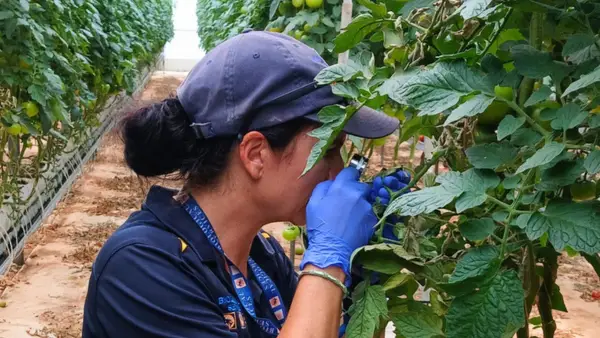
Australia is fortunate to still have access to a wide range of pesticides. Any Australian grower who has recently travelled to Europe will have noticed the stark differences—particularly in protected horticulture. European growers typically have far fewer synthetic products available for pest and disease control. Major supermarkets enforce very strict Maximum Residue Limits (MRLs), placing additional pressure on growers to reduce synthetic spray use.
As a result, European greenhouse growers rely heavily on Integrated Pest Management (IPM) principles and practices to manage key pests. Organic and low-residue greenhouse crop producers must act swiftly and decisively to contain pest and disease outbreaks. In these conditions, regular crop scouting becomes essential to assist with decision-making.
Scouting: where to start
Crop monitoring—or scouting for pests and diseases—offers several key advantages.
1. Early Detection
Identifying pest or disease activity early allows growers to prepare a response and contain the issue before it escalates.
2. Support for Biological Control
Monitoring is especially important when using biological control methods, as these take time to impact pest or disease populations.
3. Targeted Treatments
Early detection allows for precise interventions, such as spot-sprays or targeted biological treatments. This approach reduces chemical costs and helps prolong the effectiveness of pesticides by lowering the risk of resistance.
4. Move from reactive to proactive
Regular scouting enables data collection and trend monitoring, which supports better decision-making in the long term.
Scouting can take many forms. The simplest method is walking through the crop and visually inspecting for issues. It’s important to know the key pests and where they are typically found on the plant. Coloured sticky traps and pheromone traps are invaluable in certain situations and can support less experienced or under-resourced scouting programs.
Ideally, every plant would be inspected from top to bottom—but this is not practical. However, doing too little renders the entire effort ineffective. A balanced approach is needed, tailored to the crop type, the specific pest and disease threats, and the time of year.
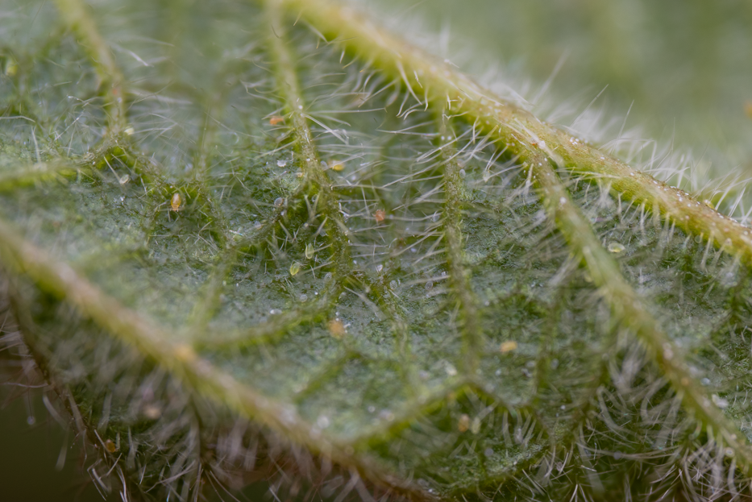
Challenges with Manual Scouting
Manual scouting has limitations, primarily due to labour costs and the time required to do it properly. The scout’s experience is another critical factor. Effective scouting requires:
- Basic crop knowledge
- Strong observation and communication skills
- A solid theoretical and practical understanding of key pests, diseases, and biological controls
- The ability to integrate and balance these variables to provide practical solutions.
In Europe, most growers conduct their own scouting. The spread of contagious diseases like CGMMV and ToBRFV has limited the movement of professional scouts between properties. This has led to, 1) a strong focus on training in-house scouts, and 2) growing interest in automated scouting systems.
The Rise of High-Tech Scouting
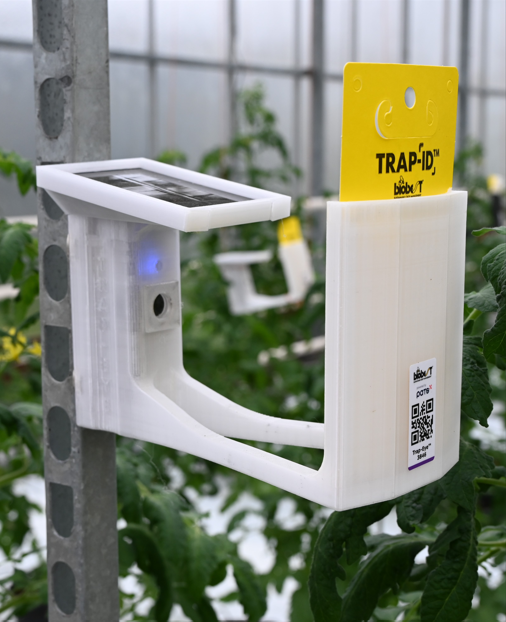
High-tech scouting systems are advancing rapidly. These range from basic sticky trap scanners, fixed sensors, to sophisticated autonomous robots. Their main advantage is the reduction of human error: they offer consistent observation and reliability, and fewer HR challenges.
Another benefit is their ability to monitor nocturnal pests—something human scouts rarely do. For example, Biobest’s PATS-C system is ideal for tracking moth flights at night. However, some pests and all diseases are microscopic and often occur in hard-to-reach areas (e.g., the undersides of leaves, inside plant crowns, under calyces), which limits the effectiveness of current automated systems.
Currently these technologies are relatively expensive, inflexible, and mostly suited to high-tech environments. However, they can be used to identify early signs of hotspots, allowing IPM managers to direct scouts to specific areas for closer inspection. This enables more effective spot-spraying or targeted releases of beneficial insects. Systems like Biobest’s Trap-Eye™ automatic sticky trap scanner for whiteflies and thrips are ideal for complex operations, allowing remote observation, data management, and heatmap analysis without the need to travel between sites.
The Human Element Remains Vital
Currently, no fully automated system can replace human scouts. While automation will become more prominent due to cost and labour availability, a highly motivated, trained, and experienced crop scout remains an invaluable asset.
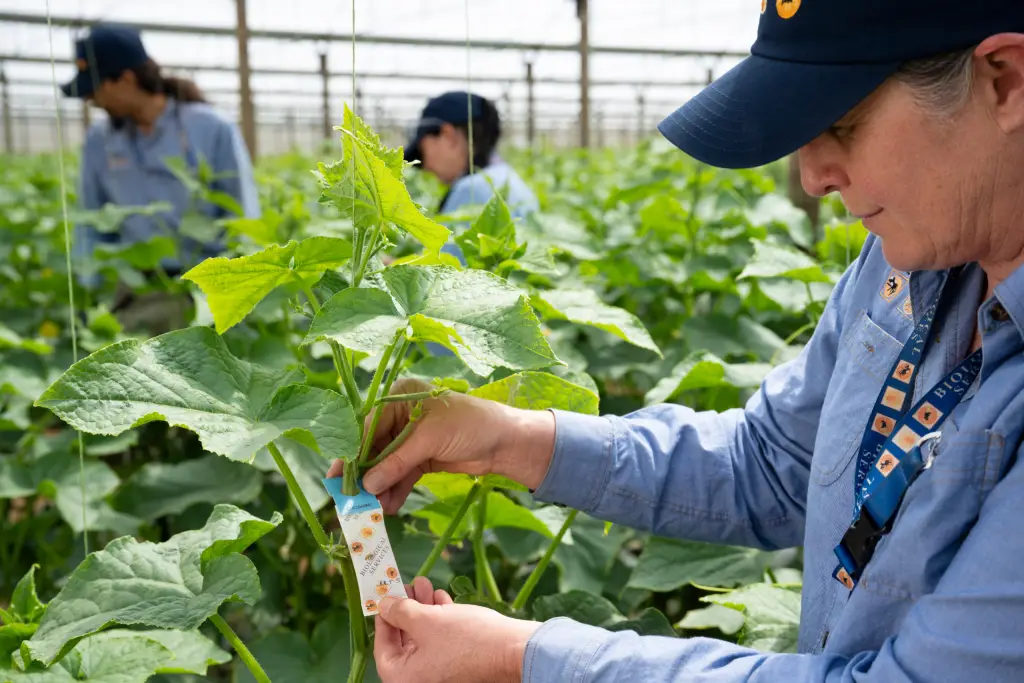
Training crop workers to recognise pests and diseases also adds value. These workers see nearly every row and plant regularly, and their feedback can help identify hotspots early. On some farms, scouting is treated as an afterthought, with scouts expected to perform other duties as well. This reactive approach could undermine the pest and disease management program.
Final Thoughts
Crop monitoring is like a fire alarm system — it’s your early warning. But it must not fail when it matters most. Employ experienced and qualified scouts. Strengthen in-house teams through hands-on training and mentorship from professionals. Use online learning platforms to boost skills and confidence—such as the Biobest Academy (https://academy.biobestgroup.com). Recently, the entire Biological Services consultant team completed the Biobest Certified Advisor Program (Level 1) through the Biobest Academy e-learning platform, a first for the Biobest Group.
To learn more about the grower benefits of Integrated Pest Management and how Biological Services can help you achieve healthy and sustainable yields through the use of beneficial insects and on-site integrated pest management advice, contact us.
This article was first published in the Spring 2025 edition of Soilless Australia.